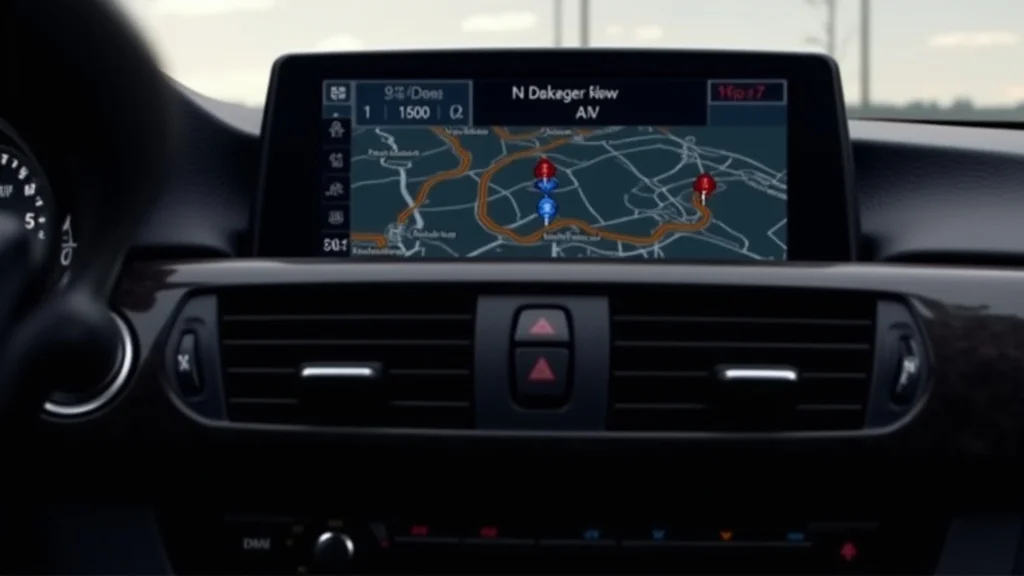
Remember that time you got hopelessly lost trying to find that new restaurant, relying on outdated directions or a shaky sense of direction? It’s a frustrating situation many of us have experienced. Thankfully, modern technology offers a reliable solution: gps navigation in the car. This guide will help you maximize your in-car navigation experience. You’ll gain a thorough overview of gps navigation in the car, its features, and how to select the best system for your needs, boosting your confidence on the road and decreasing the likelihood of getting lost. Let’s explore how to make your travels easier.
Key Takeaways
- Learn about the fundamentals of gps navigation in the car and how it works.
- Understand the various types of in-car navigation systems available.
- Discover the benefits of using gps navigation systems.
- Learn how to choose the right system based on your needs and budget.
- Explore tips for optimal use and troubleshooting.
- Gain insights into future trends in gps navigation.
Understanding GPS and Its Role in Car Navigation
At its heart, gps navigation in the car depends on the Global Positioning System (GPS). This system, originally developed by the U.S. Department of Defense, consists of a network of satellites orbiting Earth. These satellites continuously transmit signals containing their location and the current time. Your car’s gps receiver, a small device typically integrated into your car’s infotainment system or a standalone unit, picks up these signals.
The receiver then calculates its position on Earth by measuring the time it takes for the signals to travel from the satellites. To pinpoint your exact location, the receiver needs signals from at least four satellites. Once the position is determined, the navigation system uses this information, combined with digital maps, to display your location on a screen and provide turn-by-turn directions. The system updates your location in real time, so your position on the map always reflects your vehicle’s current position.
The Basics of GPS Technology
The core concept behind GPS is triangulation. Satellites broadcast signals that include their precise location and the time the signal was sent. Your car’s gps receiver measures the time it takes for these signals to arrive. Because radio waves travel at a known speed (the speed of light), the receiver can calculate the distance to each satellite. With signals from multiple satellites, the receiver can determine its location with remarkable accuracy.
The accuracy of GPS depends on several factors, including the number of satellites in view, atmospheric conditions, and the quality of the receiver. Modern GPS systems are generally highly accurate, typically providing accuracy within a few meters. However, environmental factors, such as buildings and trees, can sometimes interfere with signal reception, which may affect accuracy. The use of multiple GPS signals increases precision. Advanced systems now incorporate the use of multiple constellations like GLONASS, Galileo, and BeiDou. This further improves accuracy and reliability.
- Satellite Constellations: The backbone of GPS, consisting of dozens of satellites orbiting the Earth, constantly transmitting signals.
- GPS Receivers: These are devices in your car that receive signals from the satellites. They process the signals to determine your location.
- Triangulation: A mathematical process to calculate your location based on the distance from multiple satellites.
- Signal Interference: Factors that can disrupt signal reception, such as tall buildings, dense forests, and atmospheric conditions.
- Accuracy: The precision of the location determined by the GPS receiver. Typically, systems offer accuracy within a few meters.
How GPS Works Step-by-Step
The journey from satellite signal to turn-by-turn directions is a sophisticated process, but it can be broken down into clear steps. It is a process that seamlessly blends technology.
- Signal Reception: Your car’s GPS receiver constantly searches for and locks onto signals from multiple GPS satellites.
- Data Acquisition: The receiver gathers data from these signals, including the satellite’s position and the time the signal was sent.
- Distance Calculation: The receiver calculates the distance to each satellite by measuring the time it takes for the signal to arrive.
- Position Determination: Using the distances to multiple satellites, the receiver applies triangulation to determine your exact location on Earth.
- Map Integration: The system then displays your location on a digital map, matching your position to street data.
- Route Calculation: You enter a destination, and the system uses its internal maps to plan the best route.
- Turn-by-Turn Directions: The system provides visual and audio guidance, telling you when to turn and providing lane guidance.
This whole process happens almost instantaneously, providing you with real-time location updates and directions. This constant flow of information empowers drivers to reach their destinations with ease and certainty.
Exploring the Different Types of GPS Navigation in the Car
When it comes to gps navigation in the car, you have several options, each with its advantages. You can choose to go with an integrated system built into your vehicle, a portable device that attaches to your dashboard or windshield, or a smartphone app. Each has its own strengths and weaknesses.
Integrated systems are attractive because they are seamlessly integrated into your car’s design, offering larger screens and potentially better sound. Portable GPS units offer flexibility and affordability. Smartphone apps provide convenience and frequently updated maps. Understanding the differences will help you choose the best system to fit your needs.
Integrated Navigation Systems
Integrated navigation systems are a popular choice. These systems come already installed in your vehicle, usually integrated into the car’s infotainment system. They often feature large touchscreens, voice control, and integration with other vehicle systems, such as the car’s audio system. These systems often provide better aesthetics because they are designed to fit the car’s interior.
The main advantage of integrated systems is their seamless integration. They work with the car’s other features, such as the speakers and steering wheel controls. However, the maps may require periodic updates, often requiring a visit to a dealership or an additional subscription fee. These systems also have a higher initial cost than portable or smartphone-based options. The screen is already there, and the design blends with the car’s interior, making it appealing to many drivers.
- Seamless Integration: Integrated directly into the car’s dashboard or infotainment system.
- Large Screens: Often feature larger displays for better visibility.
- Voice Control: Many systems include voice command capabilities for hands-free operation.
- Factory Installed: Pre-installed by the vehicle manufacturer.
- Subscription Costs: May require additional fees for map updates and other services.
Portable GPS Devices
Portable GPS devices are standalone units that you can easily move from one vehicle to another. These devices attach to your windshield or dashboard. They offer an affordable way to add navigation to any car, providing turn-by-turn directions, real-time traffic updates, and other useful features.
The primary advantage of portable GPS devices is their affordability and ease of use. They are generally less expensive than integrated systems, and you can easily transfer them between vehicles. However, they can clutter your dashboard and might require you to manually update the maps. These devices are an economical choice for those who are seeking basic navigation features.
- Affordable: Generally less expensive than integrated systems.
- Portable: Can be easily moved between vehicles.
- Ease of Use: Typically have straightforward interfaces.
- Screen Size: Smaller screens compared to integrated systems.
- Manual Updates: Map updates often require manual downloads and installations.
Smartphone Navigation Apps
Smartphone apps have become increasingly popular. Apps such as Google Maps, Waze, and Apple Maps provide navigation services directly from your smartphone. You can mount your phone on your dashboard or use your car’s built-in display if it supports smartphone integration features such as Android Auto or Apple CarPlay.
The advantages of smartphone apps include real-time traffic updates, frequently updated maps, and the convenience of using a device you already own. Some downsides include needing a data connection, which can consume data, and the need to keep your phone charged. However, smartphone apps are an excellent choice for drivers who want a simple, up-to-date navigation experience.
- Real-Time Traffic: Provide up-to-the-minute traffic information.
- Frequent Updates: Maps are updated frequently, often automatically.
- Convenience: Utilizes a device you already own (smartphone).
- Data Usage: Requires a data connection.
- Battery Drain: Can drain your phone’s battery.
The Benefits of Using GPS Navigation in the Car
The advantages of gps navigation in the car go far beyond simply getting from point A to point B. Navigation systems provide several important benefits that will improve your driving experience. The ability to minimize getting lost, the real-time traffic information, and enhanced safety features combine to provide a smoother, safer, and more efficient driving experience.
These systems can save you time and decrease stress during your travels. They offer valuable features that help drivers make informed decisions on the road. The result is a more relaxed and better-prepared driver. Knowing the advantages will help you realize the value of utilizing GPS navigation in your vehicle.
Improved Route Planning and Efficiency
One of the primary advantages of gps navigation is its capability to help plan and optimize routes. Systems analyze traffic patterns and road conditions to provide the most efficient routes. This will save you time and fuel, making your drives more productive.
Many systems offer multiple route options, allowing you to choose the one that best matches your preferences. For example, some routes will prioritize speed, while others will avoid tolls or highways. These systems calculate distances, estimate travel times, and provide dynamic guidance. This functionality will let you confidently reach your destination, even in areas that are not familiar to you. The enhanced route planning feature is a huge benefit for anyone using GPS.
- Time Savings: Reduces travel time by finding the quickest routes.
- Fuel Efficiency: Optimizes routes to minimize fuel consumption.
- Route Options: Provides several route choices, considering factors like tolls and highways.
- Dynamic Guidance: Offers real-time updates and adjustments based on changing conditions.
- Traffic Avoidance: Helps avoid traffic jams and delays.
Enhanced Safety Features
Modern gps navigation systems provide several safety enhancements that will make driving safer. These features reduce distractions, provide alerts, and offer better visibility on the road. The results include a safer journey.
For example, many systems include voice guidance, allowing you to keep your eyes on the road and your hands on the wheel. Some systems offer speed limit warnings and alerts for dangerous zones, such as school zones or construction areas. With the focus on driver safety, modern navigation systems play an important part in creating safer roads for everyone.
- Voice Guidance: Provides turn-by-turn directions, eliminating the need to look at the screen constantly.
- Speed Limit Warnings: Alerts you when you are exceeding the posted speed limit.
- Dangerous Zone Alerts: Warns of school zones, construction areas, and other potential hazards.
- Lane Guidance: Helps you navigate complex intersections and interchanges.
- Hands-Free Operation: Can often be controlled by voice commands, reducing distractions.
Real-Time Traffic Updates and Alerts
A key benefit of using gps navigation in the car is the provision of real-time traffic updates and alerts. This feature helps you stay ahead of traffic problems. These features are a huge advantage, letting you navigate with ease.
These systems utilize data from various sources, including other drivers, traffic cameras, and road sensors, to provide up-to-the-minute information on traffic conditions. If a traffic incident is reported ahead, the system will alert you and suggest alternative routes to avoid delays. The ability to get real-time traffic updates allows you to make informed decisions and arrive at your destination more efficiently.
- Live Traffic Data: Provides real-time updates on traffic flow and congestion.
- Incident Alerts: Warns of accidents, construction, and other incidents.
- Route Optimization: Re-routes you around traffic jams and delays.
- Travel Time Estimates: Provides accurate estimated arrival times, accounting for traffic.
- Alternative Routes: Suggests alternative routes to avoid congested areas.
Choosing the Right GPS Navigation System
Selecting the correct gps navigation system requires careful thought. You should assess your individual needs and requirements. Considerations include your budget, the features that are crucial for you, and your vehicle’s existing setup. By considering all factors, you can make the decision that best meets your requirements and improves your driving experience.
Consider the benefits of the different types of systems discussed previously and their specific characteristics. When deciding, compare features and prices. Choosing wisely will make navigation easier and more enjoyable.
Assess Your Needs and Driving Habits
The first step in choosing a gps navigation system is to evaluate your needs. Think about your usual driving habits, the types of trips you usually take, and the features that are most vital to you. Your answers will help you choose a navigation system.
Do you frequently travel to unfamiliar locations? Do you need real-time traffic information to avoid delays? Do you value a large screen and voice control? Do you prefer a straightforward system? The answers to these questions will help narrow down the types of systems that would suit you. By understanding your specific requirements, you can pick a system that delivers the best possible navigation experience.
- Commuting Patterns: How often do you commute or travel long distances?
- Destination Frequency: Do you often visit new locations?
- Traffic Needs: Do you need real-time traffic data to avoid delays?
- Feature Preferences: What features, such as voice control and lane guidance, are important to you?
- Tech Savviness: How comfortable are you with technology and complicated interfaces?
Compare Features and Specifications
Once you’ve determined your needs, it’s time to compare the features of various gps navigation systems. Study the system’s specifications. This will help you select the system that is right for you. Comparing features also lets you balance features with your budget.
Consider factors such as screen size, map update methods, voice control, and integration with other systems. Compare costs, map coverage, and the availability of real-time traffic updates. Careful comparison will help you see the best value. This allows you to choose a system that satisfies your requirements and is a wise investment.
| Feature | Integrated Systems | Portable GPS Devices | Smartphone Apps |
|---|---|---|---|
| Screen Size | Large | Small to Medium | Varies (smartphone size) |
| Map Updates | Subscription or Dealer Updates | Manual Downloads | Automatic |
| Voice Control | Often included | Sometimes included | Often included |
| Real-Time Traffic | Usually included | Often included | Always included |
| Cost | High | Moderate | Low (data charges apply) |
Consider Compatibility and Integration
Think about the compatibility and integration of the gps navigation system with your vehicle and other devices. These will have an effect on usability and convenience. Ensure the system works well with the current features of your car, such as your infotainment system, audio setup, and smartphone.
If you prefer using your smartphone, look for systems that support smartphone integration options such as Apple CarPlay or Android Auto. This allows you to easily display and manage your navigation on your car’s screen. Assess the usability of the system’s interface and the efficiency with which it integrates with your existing devices. This will ensure a seamless and enjoyable user experience.
- Vehicle Compatibility: Confirm compatibility with your car’s make, model, and year.
- Smartphone Integration: Check for support for Apple CarPlay or Android Auto.
- Audio System Integration: Ensure the navigation system works seamlessly with your car’s audio system.
- Ease of Use: Evaluate the system’s interface and menu navigation.
- Additional Features: Consider features such as parking assistance and points of interest.
Tips for Optimal Use and Troubleshooting
To fully benefit from gps navigation, it’s vital to know how to use it correctly and to troubleshoot problems that may appear. By using the system effectively, you can ensure a reliable and accurate navigation experience. Also, knowing how to deal with frequent problems will allow you to quickly resolve issues and continue your travel without trouble.
Following a few key tips and troubleshooting advice will help you make the most of your navigation system. These include steps to keep the system working accurately, as well as answers to some of the typical problems that may occur.
Keeping Your System Updated
Keeping your gps navigation system up to date is crucial to ensure accurate navigation. Updating the system with the latest maps, software, and points of interest will lead to the best performance. Regular updates also improve security and efficiency.
The update method depends on your system type. Integrated systems may require you to visit a dealer. Portable systems and smartphone apps typically provide updates through an internet connection. Make sure to regularly check for and install updates to have the most up-to-date information and make the most of your navigation.
- Map Updates: Regularly update your maps to ensure the latest road information.
- Software Updates: Install software updates to improve performance and add new features.
- Points of Interest: Keep your points of interest (POIs) database up-to-date for accurate location information.
- Update Frequency: Check for updates at least once or twice per year.
- Update Methods: Follow the instructions for your system type, whether it’s through a dealership, download, or app.
Troubleshooting Common Issues
Despite their reliability, gps navigation systems can occasionally experience problems. These issues can disrupt your experience. Knowing how to troubleshoot and resolve common problems will ensure you can swiftly return to your travel.
Common issues include signal loss, inaccurate location data, and software malfunctions. Problems are often easily fixed with a few simple steps, such as restarting the system, checking antenna positioning, or checking for software updates. The ability to resolve these issues will let you maintain a consistent and reliable navigation experience.
- Signal Loss: Ensure clear visibility of the sky and check for obstructions.
- Inaccurate Location: Restart the system and wait for it to reacquire satellite signals.
- Software Glitches: Restart the system or reinstall the software.
- Map Errors: Check for map updates and report any errors to the manufacturer.
- Power Problems: Ensure the device is properly powered and connected.
Optimizing for Accuracy and Performance
To ensure maximum accuracy and performance, you should adopt some best practices. These tips will help you maximize the benefits and accuracy of your navigation system.
Keep your system’s software up to date and position the device in an open area to optimize signal reception. Using these strategies will make sure your navigation system is functioning efficiently and effectively.
- Clear View of the Sky: Position your device to ensure a clear view of the sky.
- Software Updates: Keep your software and maps up to date.
- Antenna Placement: Ensure the antenna is correctly positioned, if applicable.
- System Restart: Restart the system periodically to clear any temporary errors.
- Calibration: Calibrate the system to improve location accuracy.
Common Myths Debunked
Myth 1: GPS Systems Are Always 100% Accurate
The reality is that while gps navigation systems are usually highly accurate, they are not always 100% perfect. Accuracy can be impacted by several factors, including satellite signal interference, atmospheric conditions, and the quality of the receiver. In cities, the presence of tall buildings can sometimes interfere with signal reception, which can affect the accuracy of the location. Additionally, map data may occasionally be outdated. It is advisable to always be aware of your surroundings, and to not rely exclusively on the system for guidance.
Myth 2: GPS Navigation Works Perfectly in All Locations
While gps navigation works well in most areas, there are locations where reception may be limited or unavailable. This is especially true in locations with heavy tree cover, canyons, or in areas with limited satellite coverage. For example, some tunnels and heavily wooded locations might block satellite signals, causing the system to lose its position and cause inaccurate directions. Knowing this will help you choose your routes accordingly.
Myth 3: All GPS Systems Are the Same
Not all gps navigation systems offer the same performance or features. The performance of gps navigation systems can differ greatly, depending on the type of system, the quality of the hardware, and the map data utilized. Features such as real-time traffic updates, lane guidance, and voice control will be available only on some systems. Also, accuracy, update frequency, and the user interface can vary. Comparing the available options and features before making a decision is a good idea.
Myth 4: Using GPS Drains Your Car’s Battery
Using a gps navigation system does not usually have a significant impact on your car’s battery. Most modern gps navigation systems draw a small amount of power, and this generally has little to no impact on your vehicle’s overall electrical system. Some older systems or portable units might use a little more power, but any power draw is usually minimal. The battery will not usually be impacted, even with extended use, as long as the car’s electrical system is running properly.
Myth 5: GPS Navigation Always Prevents Getting Lost
While gps navigation can certainly help you stay on track, it does not guarantee that you will never get lost. In rare cases, systems can malfunction, display incorrect information, or lack the most recent map data. External factors, such as bad weather and human error, can also play a role. Always keep an eye on road signs, and use your common sense in order to verify directions, and it is a good idea to know some alternative routes.
Frequently Asked Questions
Question: How often should I update my GPS maps?
Answer: It’s best to update your maps at least once or twice a year to get the most recent road information.
Question: Can GPS navigation work without a data connection?
Answer: Integrated systems and portable GPS units typically do not require a data connection, but smartphone apps often do.
Question: What should I do if my GPS signal is lost?
Answer: Make sure you have a clear view of the sky. Try restarting your device, and if the issue continues, contact support.
Question: Are all GPS systems compatible with all vehicles?
Answer: No, not all GPS systems are compatible. Ensure that the system you choose is compatible with your car’s make, model, and year.
Question: Does using GPS navigation distract me from driving?
Answer: Voice guidance helps reduce the distraction, but you should always keep your eyes on the road and your hands on the wheel.
Final Thoughts
Gps navigation in the car has revolutionized how we explore the roads, offering ease, efficiency, and safety. From integrated systems to smartphone apps, there is a navigation solution for every driver. You can find your way around unfamiliar territories with confidence. By learning the technology, comparing options, and following helpful tips, you can take full advantage of what these systems offer. You can optimize your driving routes, avoid traffic jams, and benefit from safety features, making every trip a better experience. Embrace the technology, stay informed, and enjoy the ease and confidence of having reliable gps navigation in the car at your fingertips.