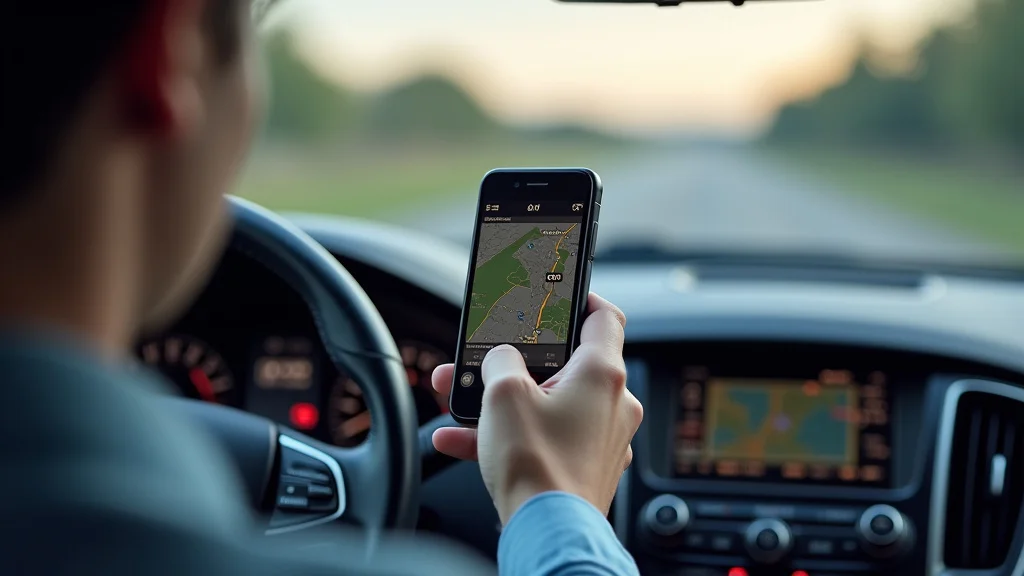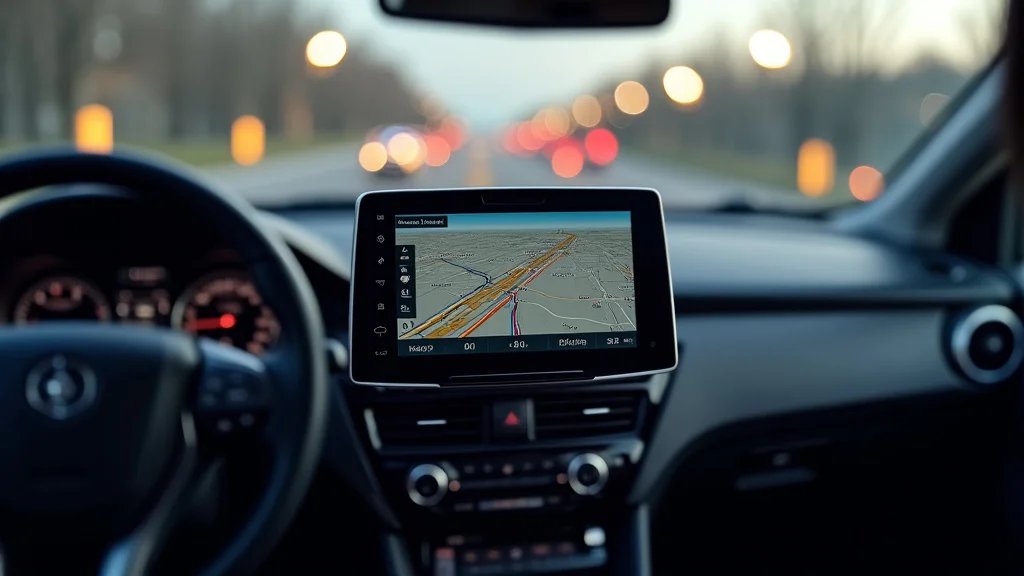
Picture this: you’re on a long road trip, and suddenly, the kids in the back are getting restless. Wouldn’t it be great to keep them entertained with a movie or their favorite shows while you focus on the road? This is where car GPS navigation with video output steps in. It’s more than just a map; it’s a complete infotainment solution. In this article, you will explore the capabilities of these systems, learning about their features and benefits. You’ll gain a deeper appreciation for how this technology can transform your driving experience and learn how to choose the right system for your vehicle. By the end, you’ll know how to choose the best car GPS navigation with video output for you.
Key Takeaways
- Car GPS navigation with video output combines navigation and entertainment.
- Understand the different types of video output options available.
- Learn the advantages of integrated systems over aftermarket options.
- Discover how to choose the ideal car GPS navigation system for your needs.
- Explore the various features that enhance safety and convenience.
- Find out how to ensure a smooth installation process and system updates.
The Evolution of Car Navigation Systems
The history of car navigation systems is a fascinating example of technological advancement. Early systems were rudimentary, relying on magnetic compasses and manually updated maps. These were followed by more sophisticated systems that used gyroscopes and sensors to track vehicle movement. However, these systems were still limited and inaccurate. The introduction of GPS technology in the late 20th century revolutionized car navigation. GPS, or Global Positioning System, utilizes a network of satellites to pinpoint a vehicle’s location with remarkable precision. This advancement enabled real-time navigation, providing drivers with accurate directions and improved road awareness. The integration of digital maps further enhanced the user experience, offering detailed street information, points of interest, and route guidance.
Initially, GPS navigation systems were primarily found in high-end vehicles. As technology matured and production costs decreased, they became increasingly accessible, appearing in mid-range cars and as aftermarket options. The rise of smartphones and mobile data also fueled the evolution of car navigation. Smartphones offered navigation apps, like Google Maps and Apple Maps. They leveraged GPS capabilities and real-time traffic updates. These apps became popular, leading to increased competition in the navigation market. The demand for in-car entertainment also rose, prompting the development of car GPS navigation with video output systems. This feature seamlessly combines navigation with the ability to play videos, offering entertainment for passengers.
Early Navigation Technology
Early car navigation systems were primitive compared to modern technology. They often relied on mechanical components and limited data. These systems were often inaccurate and cumbersome to use. A key feature of these early systems was dead reckoning. This technique used information about the vehicle’s speed and direction to estimate its position. These systems were prone to errors, particularly on long journeys or in areas with limited visibility. Another early technology was the use of magnetic compasses. These provided directional information, but were susceptible to interference from metal objects in the vehicle or the environment.
- Dead Reckoning: A method of determining position by calculating the distance traveled and direction from a known starting point.
- Magnetic Compasses: Used to determine direction. Prone to interference and less accurate than modern systems.
- Manual Map Reading: Required drivers to consult physical maps and make route decisions. Time-consuming and less efficient.
- Limited Data: Lacked the detailed street information, real-time traffic updates, and points of interest available in modern systems.
The Integration of GPS Technology
The introduction of GPS changed the game for car navigation. The US Department of Defense developed GPS technology in the 1970s. It was initially available for military applications. The system became available for civilian use in the 1980s. The core of GPS consists of a network of orbiting satellites. These satellites transmit signals containing their location and time information. A GPS receiver, like those in car navigation systems, receives these signals. It uses them to calculate its position on Earth. This calculation relies on the time difference between the signals received from multiple satellites.
GPS offers significant advantages over previous navigation methods. It provides accurate real-time location data. GPS systems can provide turn-by-turn directions, helping drivers stay on course. GPS also enabled the integration of digital maps, which offered detailed street information, points of interest, and route guidance. With GPS technology, navigation systems could offer dynamic features. They could update route information based on traffic conditions and road closures. These features dramatically improved the driving experience.
- Real-Time Location Data: Provides accurate and precise positioning.
- Turn-by-Turn Directions: Offers clear and concise route guidance.
- Digital Mapping: Displays detailed street information and points of interest.
- Dynamic Route Planning: Adapts to real-time traffic and road conditions.
The Rise of Integrated Systems
As GPS technology became mainstream, vehicle manufacturers began incorporating navigation systems directly into their cars. These integrated systems offered several advantages over aftermarket options. They are often seamlessly integrated with the vehicle’s electrical system. This integration allows for better control and interaction with other vehicle systems, such as the audio system and climate control. Integrated systems also come with pre-installed maps. These are often updated periodically by the vehicle manufacturer. This eliminates the need for manual map updates.
Another advantage of integrated systems is their design. They are designed to fit perfectly into the vehicle’s dashboard. This enhances the vehicle’s aesthetic appeal and provides a clean, factory-installed look. Integrated systems also often feature larger, higher-resolution displays. These make it easier to view maps and information. Vehicle manufacturers rigorously test integrated systems. They ensure they meet stringent safety and quality standards. This testing provides added reliability and peace of mind.
- Seamless Integration: Works with the vehicle’s electrical system and other functions.
- Factory-Installed Design: Enhances the vehicle’s appearance.
- Pre-Installed Maps and Updates: Eliminates the need for manual map updates.
- Higher Safety Standards: Tested to meet stringent safety and quality standards.
The Value of Car GPS Navigation With Video Output
Car GPS navigation with video output systems provide numerous advantages for drivers and passengers. They improve the driving experience by combining navigation with entertainment options. These systems allow passengers to watch movies, TV shows, or play video games. This can make long journeys more enjoyable, especially for children. The integration of navigation and entertainment enhances safety. It helps the driver to stay focused on the road. The system can provide real-time traffic updates and suggest alternative routes. This helps drivers to avoid delays and reach their destinations safely.
These systems often come with advanced features, such as voice control and hands-free calling. These features allow drivers to interact with the system without taking their eyes off the road. The ability to connect external devices, like smartphones and tablets, offers flexibility. Passengers can use their devices to play content or stream media. Some systems offer split-screen functionality. This enables drivers to view the navigation map while passengers watch a video. This combination of features makes car GPS navigation with video output systems valuable. They improve safety, enhance the driving experience, and keep passengers entertained.
Entertainment for Passengers
The primary benefit of car GPS navigation with video output is the entertainment it provides for passengers. Long road trips can be tedious for passengers, particularly children. Video output allows passengers to watch movies, TV shows, or play video games. This helps to reduce boredom and keeps passengers occupied. The ability to stream content from external devices further expands the entertainment options. Many systems support the connection of smartphones, tablets, and media players. This enables passengers to enjoy their favorite content. They also offer a split-screen mode, allowing the driver to view the navigation map while passengers watch a video.
- Movies and TV Shows: Keeps passengers entertained during long journeys.
- Video Games: Provides interactive entertainment for children and adults.
- Streaming Media: Supports content from smartphones, tablets, and media players.
- Split-Screen Mode: Enables the driver and passengers to view different content simultaneously.
Enhanced Safety and Driver Assistance
Car GPS navigation with video output improves safety by integrating navigation with other driver-assistance features. Many systems offer real-time traffic updates. These updates alert the driver to congestion, accidents, and other delays. This allows the driver to adjust the route or take alternative roads. Some systems also include features like lane departure warnings, blind-spot monitoring, and parking assistance. These features improve driver awareness and reduce the risk of accidents. Voice control is a key safety feature. It allows drivers to interact with the system without taking their hands off the wheel or their eyes off the road. The hands-free calling enables drivers to make and receive calls safely.
- Real-Time Traffic Updates: Provides information about congestion, accidents, and delays.
- Lane Departure Warnings: Alerts the driver if the vehicle drifts out of its lane.
- Blind-Spot Monitoring: Detects vehicles in the driver’s blind spot.
- Parking Assistance: Simplifies parking with features like parking sensors and cameras.
Improved Convenience and User Experience
Car GPS navigation with video output systems provide convenience. They make driving easier and more enjoyable. The integration of navigation, entertainment, and other features streamlines the driving experience. Voice control allows drivers to control the system. They can make calls, change the music, and adjust the navigation settings without taking their hands off the wheel. Many systems offer intuitive interfaces with large, easy-to-read displays. These displays show maps, directions, and other information. The ability to connect to external devices, like smartphones and tablets, expands the system’s functionality. This makes it easier to access and use apps and media.
- Voice Control: Allows hands-free control of the system.
- Intuitive Interface: Large, easy-to-read displays and simple controls.
- Connectivity Options: Supports external devices like smartphones and tablets.
- Customizable Settings: Allows drivers to personalize the system to their preferences.
Key Features of Car GPS Navigation Systems with Video Output
Car GPS navigation with video output systems feature a wide array of capabilities. The integration of navigation and entertainment is fundamental. This combination allows for a versatile driving experience. High-resolution displays are a standard feature. They offer clear and detailed maps, easy-to-read directions, and vibrant video playback. Some systems support split-screen functionality. This enables the driver to view the navigation map while passengers watch a video or access other features. Connectivity options are important. They allow users to connect smartphones, tablets, and media players. This access allows users to stream content, use apps, and play media. Safety features, such as real-time traffic updates, voice control, and driver-assistance systems, are also vital. They improve safety and enhance the driving experience.
Advanced features include voice control. This enables the driver to interact with the system. They can control the navigation, make calls, and play music hands-free. Real-time traffic updates, including congestion, accidents, and road closures, are also included. Some systems include driver-assistance features like lane departure warnings, blind-spot monitoring, and parking assistance. The ability to customize settings is also important. This allows drivers to personalize the system to their preferences.
Video Output Options
The type of video output a system has affects its compatibility with different devices. Common video output options include composite video, component video, and HDMI. Composite video is an older standard. It transmits video and audio signals over a single cable. Component video provides higher quality picture and audio. It uses three separate cables for video signals and two for audio. HDMI is the most advanced standard, offering the highest quality video and audio. It supports high-definition video and multi-channel audio. HDMI is the standard for modern devices.
The choice of video output depends on the devices the user wants to connect. A system supporting multiple output options offers more flexibility. The system’s video resolution also matters. High-resolution displays provide clearer and more detailed images. This results in a better viewing experience. Make sure the system supports the necessary video output for the external devices you want to use.
- Composite Video: Older standard, transmits video and audio over a single cable.
- Component Video: Provides higher quality picture and sound.
- HDMI: The most advanced standard, supporting high-definition video and multi-channel audio.
- Video Resolution: High-resolution displays provide clearer and more detailed images.
Connectivity and Integration
Connectivity options are essential. They expand a car GPS navigation with video output system’s functionality. The system must support various connectivity options. These options include Bluetooth, USB, and auxiliary inputs. Bluetooth allows for wireless connections to smartphones and other devices. USB ports enable the connection of media devices and provide power for charging devices. Auxiliary inputs allow the connection of external audio sources. The integration of Apple CarPlay and Android Auto is another valuable feature. These allow users to mirror their smartphone screens onto the system’s display. This integration provides access to apps, navigation, and other features.
- Bluetooth: Allows wireless connections to smartphones and other devices.
- USB Ports: Enable the connection of media devices and charging.
- Auxiliary Inputs: Allow the connection of external audio sources.
- Apple CarPlay and Android Auto: Mirror smartphone screens onto the system’s display.
Safety and Driver Assistance Features
Safety and driver assistance features are key for car GPS navigation with video output. Real-time traffic updates are essential. They alert the driver to congestion, accidents, and road closures. Lane departure warnings are another helpful feature. They notify the driver if the vehicle drifts out of its lane. Blind-spot monitoring uses sensors to detect vehicles in the driver’s blind spot. Parking assistance simplifies parking with features like parking sensors and cameras. Voice control allows hands-free control of the system. These features improve safety and driver awareness.
- Real-Time Traffic Updates: Alerts the driver to congestion, accidents, and road closures.
- Lane Departure Warnings: Notify the driver if the vehicle drifts out of its lane.
- Blind-Spot Monitoring: Uses sensors to detect vehicles in the driver’s blind spot.
- Parking Assistance: Simplifies parking with parking sensors and cameras.
Choosing the Right Car GPS Navigation System
Choosing the right car GPS navigation with video output system depends on many factors. Start by determining your needs. Consider your budget. Consider the features. Choose between an integrated or aftermarket system. When choosing, consider features such as screen size, resolution, and display technology. Ensure the system offers the video output options and connectivity that meets your requirements. Safety features, such as real-time traffic updates and driver-assistance systems, are also important. Check to see if the system is compatible with your vehicle. This includes the size and fit, as well as the compatibility of the existing electrical systems.
Research different brands and models. Read reviews from other users. You can evaluate the system’s performance and reliability. Consider the ease of installation. Some systems have simple plug-and-play installation. More advanced systems may require professional installation. Consider after-sales service. Check if the manufacturer offers good customer support and a warranty. By carefully considering these factors, you can choose the system that best meets your needs. Ensure it delivers a safe and enjoyable driving experience.
Assessing Your Needs and Budget
Start by evaluating your driving needs. How frequently do you use GPS navigation? Do you often take long trips? Do you need features such as real-time traffic updates or voice control? Consider who will use the system and what features are essential. The next step is to set a budget. Car GPS navigation systems with video output vary in price. Prices vary based on features, brand, and installation costs. Set a budget before you start shopping. This helps narrow down your options and avoid overspending. Prioritize the features. Determine which features are most important to you, like a large screen or advanced driver-assistance systems. Focus your search on systems that provide these key features. This will provide the best value.
- Driving Habits: How frequently do you use GPS navigation and on what type of journeys?
- Essential Features: Prioritize the features most important to your needs.
- Budget: Set a budget to help narrow your options.
- Long-Term Costs: Consider installation and any ongoing costs, such as map updates.
Integrated vs. Aftermarket Systems
Choosing between integrated and aftermarket car GPS navigation with video output systems involves assessing the advantages and disadvantages of each. Integrated systems are pre-installed by the vehicle manufacturer. They are designed to fit perfectly into the vehicle’s dashboard. Integrated systems have a factory-installed appearance. They often offer seamless integration with the vehicle’s electrical system and are rigorously tested to meet safety standards. However, integrated systems are often more expensive and may offer fewer features compared to aftermarket options. Also, map updates may be costly.
Aftermarket systems are installed after the vehicle is manufactured. They offer more flexibility and often have a wider range of features. They allow for customization and come with advanced features. These features are not always available in integrated systems. Aftermarket systems can be more affordable. Some systems may require professional installation. The appearance may not match the vehicle’s original design. Ensure to choose a reputable brand. Ensure you get proper installation to get the best results.
| Feature | Integrated Systems | Aftermarket Systems |
|---|---|---|
| Installation | Factory-installed, seamless integration | Requires installation, potentially more complex |
| Appearance | Factory design, matches vehicle interior | May not match vehicle’s original design |
| Features | Often offers standard features, less customization | Wider range of features and customization options |
| Cost | Generally more expensive | Can be more affordable |
| Compatibility | Specific to vehicle model, limited options | Broader compatibility, many options available |
Compatibility and Installation
Ensuring compatibility is critical to a successful car GPS navigation system installation. Verify that the system is compatible with your vehicle’s make, model, and year. Consider the size of the system and its fit. Make sure that it fits in the vehicle’s dashboard without any modifications. Check the system’s power requirements. Make sure that it is compatible with your vehicle’s electrical system. Carefully review the installation instructions. See if you can handle the installation yourself, or if you will need to hire a professional. If you lack experience with car electronics, consider professional installation. This is key to prevent damage to your vehicle.
- Vehicle Compatibility: Make, model, and year.
- Size and Fit: Consider the size and fit to ensure it fits in the dashboard.
- Electrical Compatibility: Check the system’s power requirements.
- Installation Instructions: Review the installation instructions before you begin.
Common Myths Debunked
Myth 1: All Car GPS Navigation Systems Are the Same
Some people believe that all car GPS navigation systems offer identical features. The reality is quite different. Car GPS navigation with video output systems vary significantly in terms of features, performance, and user experience. Features such as screen size, resolution, video output options, and connectivity choices vary widely. The quality of maps, traffic data, and voice guidance also differs. Brands and models vary in terms of reliability, ease of use, and customer support. It is important to research different systems and compare features. Make sure you find the one that fits your needs.
Myth 2: Aftermarket Systems Are Always Inferior
There’s a misconception that aftermarket car navigation systems are always less capable than integrated systems. This is not the case. While integrated systems offer seamless integration and factory-installed appearance, aftermarket systems can provide more advanced features and customization. Aftermarket systems often offer larger screens, more connectivity options, and better video output capabilities. They can be more affordable. This also depends on the model. The key is to choose a reputable brand and ensure a professional installation for reliable performance.
Myth 3: Map Updates are Always Free
Many believe that map updates are always free with car GPS navigation with video output. Not every system offers free map updates. Some integrated systems may include free updates for a set time. After that, updates may be offered for a fee. Some aftermarket systems offer lifetime map updates. Make sure you know what the map update policy is. Check this before you buy. Consider the long-term cost of map updates when assessing the overall value of the system.
Myth 4: Video Output Distracts Drivers
It’s believed that video output in car navigation systems always distracts drivers. This is not completely accurate. The potential for distraction exists. It is important to remember that many systems have features. These features are designed to minimize distraction. Voice control and hands-free operation allow drivers to interact with the system without taking their eyes off the road. When used responsibly and with appropriate settings, car GPS navigation with video output can enhance the driving experience. They will also provide entertainment for passengers.
Myth 5: All Systems Offer Real-Time Traffic Updates
Some people assume that all car GPS navigation with video output systems provide real-time traffic updates. While most modern systems offer this feature, not all do. Check to ensure the system you are considering does. Some systems may rely on older data sources or lack real-time information. Without real-time updates, the system cannot reroute you to avoid congestion or road closures. Look for systems that use reliable traffic data sources. They will provide accurate and up-to-date traffic information.
Frequently Asked Questions
Question: What is the main difference between integrated and aftermarket systems?
Answer: Integrated systems are factory-installed. They integrate seamlessly with the vehicle’s electrical systems. Aftermarket systems are installed after the vehicle is manufactured. They offer more flexibility and often provide more features.
Question: How do I update the maps on my car navigation system?
Answer: The update process varies. For integrated systems, you may need to visit a dealership. Or you can download updates from the manufacturer’s website. Aftermarket systems may allow updates via USB or over the internet.
Question: Can I connect my smartphone to my car navigation system?
Answer: Many systems offer smartphone integration. This is done via Bluetooth, Apple CarPlay, or Android Auto. These allow users to mirror their smartphone screens onto the system.
Question: What safety features should I look for in a car navigation system?
Answer: Key safety features include real-time traffic updates, voice control, lane departure warnings, blind-spot monitoring, and parking assistance.
Question: Is it possible to install a car navigation system myself?
Answer: Some systems offer plug-and-play installation. More advanced systems may require professional installation. Consider your experience with car electronics before attempting installation.
Final Thoughts
Car GPS navigation with video output has evolved. It offers drivers more than just directions. It integrates navigation and entertainment. It transforms the driving experience. These systems enhance safety and convenience. You now understand how to choose the right system for your vehicle. Remember to consider your needs. Consider your budget. Consider the features. Make sure you choose a system compatible with your vehicle and the features you value most. By making an informed choice, you can explore the benefits of this technology. You will enjoy a safer and more enjoyable driving experience.