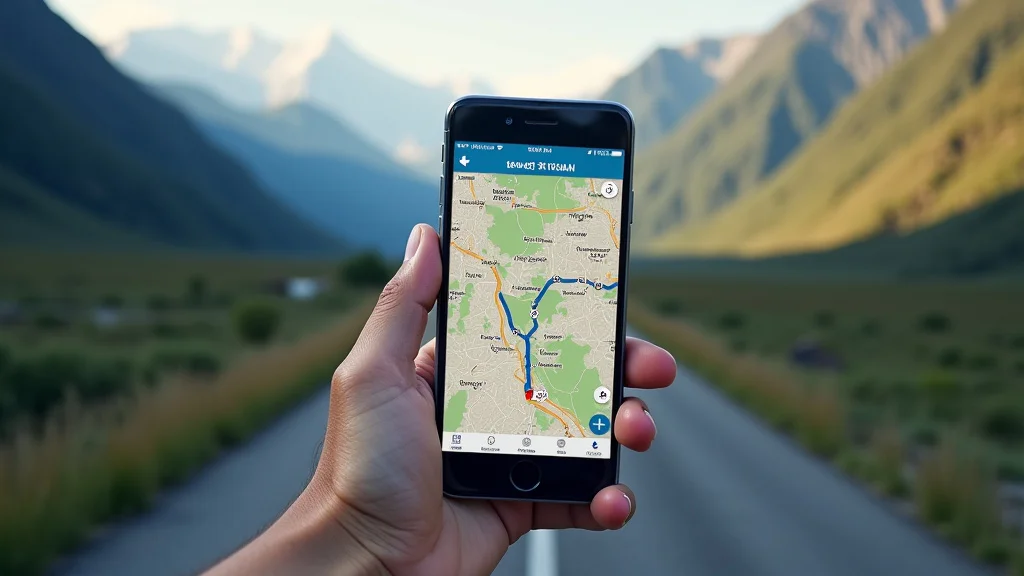
Remember that time you got hopelessly lost on a road trip, relying on shaky phone service and frantic map-checking? Yeah, we’ve all been there. Thankfully, the gps navigation device for car has revolutionized how we travel. This guide cuts through the tech jargon and shows you exactly what a gps navigation device for car is, how it works, and how it can make your driving experiences smoother and stress-free. You’ll learn the key features, the benefits, and which options might be perfect for your needs. Prepare to equip yourself with the knowledge to select the perfect route-finding companion.
Key Takeaways
- Learn the essential features of a car GPS navigation system.
- Understand the benefits of using a dedicated GPS device over other options.
- Explore the different types of GPS devices available and their unique characteristics.
- Discover how to choose the right GPS navigation device based on your needs.
- Find out tips for maintaining and maximizing the use of your GPS device.
- Gain a comprehensive overview of how GPS technology improves your driving experiences.
Unveiling the Power of Car GPS Navigation
A gps navigation device for car is a dedicated electronic system that uses satellite signals to determine your exact location on Earth and then provides turn-by-turn directions to a pre-selected destination. These devices provide a more reliable and user-friendly experience than relying on your smartphone, especially in areas with poor cellular service. Their primary function is to eliminate the need for paper maps and help drivers reach their destinations safely and efficiently. These gadgets represent a major technological advancement in how people explore new places.
How GPS Technology Works
The core technology behind a car GPS is the Global Positioning System (GPS), a network of satellites orbiting Earth. These satellites broadcast radio signals containing their location and the current time. Your GPS device has a receiver that picks up these signals from multiple satellites. By analyzing the time it takes for the signals to reach your device, the GPS can determine the distance to each satellite. With signals from at least four satellites, the device can pinpoint your exact location—latitude, longitude, and even altitude—with remarkable accuracy. This location data is then used to display your position on a map and calculate directions. The GPS receiver then compares the signals it receives from the satellites to calculate the distance between itself and each satellite. This information, along with data about the satellites’ positions, is then used to determine the device’s location.
- Satellite Signals: GPS devices use radio signals from satellites to determine their position.
- Triangulation: The device calculates its location by measuring the time it takes for signals to reach the device from at least four satellites.
- Location Accuracy: Modern GPS devices can pinpoint your location with remarkable accuracy, often within a few meters.
- Continuous Updates: GPS devices constantly receive updates from satellites, ensuring accurate and real-time positioning.
A good example is if you are in a remote area, far away from any cell phone towers. In this situation, the GPS device functions independently of cell service, providing critical directions. This independence is essential for safety, and also convenience. In addition, the GPS system provides more details, such as speed and estimated time of arrival, that are not available with only a map. Another great example: you’re driving through a congested city and need to find a specific address. A gps navigation device for car provides real-time traffic updates, and suggests alternate routes to avoid delays.
Features of a Car GPS Navigation Device
Modern gps navigation device for car systems are packed with features that go beyond simple turn-by-turn directions. They offer convenience, safety, and a host of other advantages. These features help you plan trips, avoid traffic, and keep track of your travels. Advanced GPS devices often provide voice-guided directions, hands-free calling, and integration with other vehicle systems. Some units even offer safety features like lane departure warnings and speed limit alerts. The wide variety of features means that there is a system available for almost every type of driver. The best GPS navigation systems are easy to use and intuitive, making driving much more straightforward.
- Turn-by-Turn Directions: This is the core function, providing clear voice and visual guidance for navigation.
- Real-Time Traffic Updates: Provides information about traffic congestion and suggests alternative routes.
- Points of Interest (POIs): Displays nearby restaurants, gas stations, hotels, and other locations.
- Voice Guidance: Spoken directions that allow you to keep your eyes on the road.
- Map Updates: Regular map updates to keep your device current with road changes and new locations.
- Bluetooth Connectivity: Allows you to connect your phone for hands-free calling and music streaming.
Imagine you’re driving in an unfamiliar city and you need to find a gas station. A GPS with POI functionality will immediately display nearby gas stations on the map, along with their distance and sometimes even their prices. Another scenario is where you have an important appointment, and your GPS notices heavy traffic ahead. Using real-time traffic data, the system will instantly reroute you, saving you valuable time. Modern GPS devices make travel far less stressful.
Advantages of a Dedicated GPS Device
While smartphones can also offer navigation, dedicated gps navigation device for car units provide several advantages. Unlike smartphones, dedicated GPS devices have larger screens for better visibility. They are designed specifically for use in vehicles, making them more durable and easier to operate while driving. They are also often less distracting than using a smartphone, as they are solely focused on navigation. They often do not rely on cellular service, which means that they work effectively even in areas with poor or no cell coverage, making them excellent choices for road trips. They are made for the road and built to deal with bumps and vibrations.
Superior Reliability and Performance
One of the main strengths of a dedicated GPS is its reliability, particularly in difficult environments. Unlike smartphones, which might struggle with satellite reception, GPS devices are specifically designed to receive signals and provide accurate location information. This is critical in areas with poor cellular coverage or tall buildings. Because a gps navigation device for car is designed for one task—navigation—it excels at it. It doesn’t get bogged down by apps and notifications. This specialization translates to faster map loading times, quicker route calculations, and fewer distractions, and this keeps your focus on the road.
- Stronger Satellite Reception: Dedicated GPS devices have more sensitive receivers for better signal acquisition.
- Offline Maps: Most GPS devices store maps locally, allowing navigation even without an internet connection.
- Durable Design: Built to withstand the rigors of vehicle use, including vibrations and temperature changes.
- Reduced Distractions: Designed to minimize distractions, keeping your focus on driving.
For example, if you’re driving in a remote area with spotty cell service, your smartphone’s navigation app might fail. A dedicated GPS, with its offline maps and superior reception, would continue to work flawlessly. Another example is on a bright, sunny day. The dedicated GPS’s screen is easy to read, whereas the phone’s screen can be difficult to view. This makes driving safer and more straightforward. These small things matter for day-to-day driving.
Cost Efficiency and Longevity
Although the initial cost of a dedicated gps navigation device for car might seem higher than using a smartphone app, the total cost of ownership is often more economical. GPS devices are designed to last for many years. Also, using a dedicated GPS can save you money on data usage, as you don’t need to stream maps or traffic updates. The cost of a good GPS will include map updates over time, which ensures the device stays current. And a single phone’s software is updated more frequently than a dedicated device. This means a GPS device has better compatibility and longer useful lifespan.
- Longer Lifespan: GPS devices are built to last for many years, unlike smartphones, which are often replaced every couple of years.
- No Data Usage Costs: Some GPS devices offer offline maps, eliminating the need to use your phone’s data plan.
- Reduced Battery Drain: GPS devices use their own power source, saving your phone’s battery.
- Cost-Effective Map Updates: Many GPS devices include free or affordable map updates for the device’s lifetime.
Consider a scenario where you frequently travel in areas with limited cell coverage. By using a GPS device, you avoid the frustration of dropped connections and the cost of extra data. Or, if you use a GPS daily, the initial cost is spread out over many years. This makes it a great value in the long run. In addition, using a GPS saves your smartphone’s battery life. The dedicated device is more energy efficient.
Choosing the Right GPS Navigation Device
Selecting the right gps navigation device for car depends on your specific needs and driving habits. Some devices are better suited for daily commutes, while others are ideal for long road trips or off-road adventures. Choosing the right device will help you make the best of it. Consider what features are most important to you—like traffic updates, screen size, and ease of use—then explore the different device categories available.
Types of GPS Devices
There are several types of GPS devices available. Each has its own strengths and is designed to fit different needs. Some devices offer advanced features like integration with your vehicle’s systems, while others focus on simplicity and ease of use. Understanding these distinctions helps you make a better choice. When you begin your search for a gps navigation device for car, you should decide what features you need. This could include having a large screen, voice prompts, and real-time traffic updates.
- Portable GPS Units: These are stand-alone devices that you can easily move between vehicles.
- Built-in Navigation Systems: These are integrated into the car’s dashboard, often found in new vehicles.
- Smartphone Apps: While not a dedicated device, apps like Google Maps and Waze offer navigation features.
- GPS for Specialized Use: Devices designed for outdoor activities, such as hiking or off-roading.
If you switch between cars frequently, a portable GPS unit will be your best choice. If you are buying a new car, a built-in system can be an ideal choice. The right kind of device is up to you. For example, if you frequently travel off-road, a GPS designed for outdoor activities will have maps and features better suited to this kind of travel. Similarly, a portable GPS is useful in multiple vehicles or if you don’t want to rely on your phone.
Key Features to Consider
Several key features can greatly enhance the functionality and usability of your gps navigation device for car. The display size and clarity are important for easy viewing while driving. The quality of the maps and the frequency of updates ensure that you have the most up-to-date information. Features like voice guidance and real-time traffic updates improve safety and convenience. Consider these features when you are making your decision. Having the right device can take the stress out of your commute and keep you safer.
- Screen Size and Resolution: A larger screen makes it easier to see maps and directions.
- Map Quality and Updates: Ensure that the maps are detailed and updated regularly.
- Voice Guidance: Voice prompts allow you to keep your eyes on the road.
- Real-Time Traffic Updates: Provides information about traffic conditions and suggests alternative routes.
- Points of Interest (POIs): Displays nearby locations such as gas stations and restaurants.
- Battery Life: Important if you plan to use the device outside of your vehicle.
For example, if you need to travel in areas with poor cell service, ensure your chosen device has offline maps. If you take long trips, consider a device with good battery life. For urban driving, make sure it has real-time traffic updates. By considering your driving habits and needs, you can choose a GPS device that gives you the best experience.
Using and Maintaining Your GPS Device
To get the most out of your gps navigation device for car, it’s critical to understand the correct ways to use and maintain it. This will make your device more reliable and keep it working correctly for a long time. Simple maintenance steps will keep your device in good condition. Keeping your device updated will also give you the best experience. Following these steps helps you make the best of your investment in a GPS device.
Best Practices for Use
Correct usage can greatly improve your navigation experience. Start by securely mounting your device in a position where you can easily see the screen without obstructing your view of the road. Familiarize yourself with the device’s settings and features before you hit the road. It helps to update maps and software regularly. Following these steps will keep you driving safely. To ensure a good user experience, it’s also important to follow safety practices when you are driving.
- Mounting: Place the device in a secure and easily viewable position.
- Software Updates: Keep your device software and maps updated regularly.
- Pre-Trip Planning: Plan your route and review directions before you start driving.
- Voice Guidance: Utilize voice guidance to keep your eyes on the road.
- Traffic Awareness: Pay attention to traffic updates and follow suggested alternate routes.
For instance, before starting a trip, enter your destination and review the suggested route. This way you’ll know what to expect and can adjust your route as needed. By keeping the device software updated, you ensure that you have the latest maps, features, and performance enhancements. This makes your driving smoother. These steps make using a GPS device safer and more useful.
Care and Maintenance
Proper care and maintenance will extend the life of your gps navigation device for car. Handle the device with care and avoid exposing it to extreme temperatures or direct sunlight. Cleaning the screen and housing will also keep it in good condition. Following these simple steps ensures that you will get many years of service from your GPS device. These practices will also keep it working correctly. In the long run, careful maintenance is better for the device.
- Cleaning: Clean the screen and housing with a soft, lint-free cloth.
- Storage: Store the device in a safe place when not in use, away from extreme temperatures.
- Battery Management: For devices with batteries, manage the charge to preserve battery life.
- Avoid Exposure to Direct Sunlight: Prolonged exposure can damage the device.
For example, clean the screen often with a soft cloth to remove dust and fingerprints. This will improve visibility and keep the screen in good condition. When the device isn’t in use, it is best to store it in a cool, dry place. These simple maintenance steps can extend the lifespan of your device and ensure it is ready for your next trip.
Common Myths Debunked
Myth 1: GPS Devices Drain Your Car’s Battery
Many people worry that using a gps navigation device for car will drain their car’s battery. This isn’t true. While the device does draw power from your car, the amount of power used is very small. Most GPS devices have low power consumption and are designed to run for many hours without noticeably affecting your car’s battery. The amount of power used by a GPS is a small fraction of the total power your car’s electrical systems use, and the device is very energy efficient.
Myth 2: All GPS Devices Are the Same
Some believe that all GPS devices offer the same level of functionality and quality. However, this is not correct. There is a huge range of GPS devices. Some are more basic and provide turn-by-turn directions, while others include features like real-time traffic updates, lane guidance, and integration with your vehicle’s systems. The quality of maps and software also varies. More expensive devices often have better processors, clearer screens, and more accurate maps.
Myth 3: GPS Devices Are Always Accurate
It’s a common misconception that GPS devices are always 100% accurate. While GPS devices are generally very accurate, there are situations where accuracy might be affected. For instance, the GPS signal can be weaker in areas with tall buildings or dense tree cover, which can cause slight errors in location. However, modern GPS devices use a combination of technologies to make location tracking more accurate. If you are in these areas, you should be careful.
Myth 4: Smartphone Navigation Is Better Than Dedicated GPS
A common belief is that smartphone navigation apps are superior to dedicated GPS devices. However, this isn’t necessarily correct. Smartphone apps depend on your phone’s battery life, and they consume cellular data. These systems may fail in areas with poor service. A gps navigation device for car has more advantages, such as offline maps, robust designs, and ease of use. If you need a reliable navigation system that is designed for driving, a dedicated GPS is a better option.
Myth 5: GPS Devices Are Difficult to Use
Some people are concerned that GPS devices are complicated. However, most modern gps navigation device for car units are made with ease of use in mind. Manufacturers design them to be intuitive, with clear interfaces and simple menus. Many devices come with voice guidance that gives spoken directions, which is easy to follow. These devices are generally straightforward, and easy to set up and use.
Frequently Asked Questions
Question: How often should I update the maps on my GPS device?
Answer: It’s best to update your maps at least twice a year to ensure you have the most current road information.
Question: Can GPS devices work without an internet connection?
Answer: Yes, most dedicated GPS devices store maps offline, so they can function even without an internet connection.
Question: How accurate are GPS devices?
Answer: GPS devices are generally very accurate, with positioning within a few meters. Accuracy can be impacted by factors like tree cover or tall buildings.
Question: What is the benefit of using voice guidance?
Answer: Voice guidance lets you keep your eyes on the road and reduces distractions while driving.
Question: Can I use my GPS device in another car?
Answer: Yes, portable GPS units are designed to be easily moved from one vehicle to another.
Final Thoughts
The gps navigation device for car is a powerful tool. Whether you’re planning a cross-country road trip or just need a little help finding your way around town, these devices offer a dependable and user-friendly experience. They have moved from a luxury to a necessity. You’ve explored how these systems work, what their key features are, and the various benefits they offer. You can equip yourself with the knowledge to make an informed decision. Remember to choose a GPS device that meets your specific needs and driving style. By keeping your device updated, you’ll be well on your way to safer, easier, and more enjoyable travel experiences. Safe travels!